Island Hopping through Whale Soup

Sunday 25th September 2016

Unusually, the weather is treating us to perfect conditions for island hopping around this remote and exposed area of Tonga, the Ha’apai Island group. We have plenty of sunshine and the winds are light. The islands are low lying, overgrown with palms, shrubs unknown and bind weed, tons of bind weed, they are surrounded by beautiful sandy beaches and treacherous reefs. Mostly uninhabited, you almost expect Robinson Crusoe to appear, at any moment, from the interior undergrowth.The sky is huge and filled with wispy clouds, the sea is clear and full of whales. On the two hour trip from Luangahui island to Ha’afeva today, we saw nine separate groups of whales, it was like sailing through whale soup.

Having got our cruising permit, Tuesday morning we popped back into Pangai to pick up some fresh bread, before setting off to explore the islands. We are assuming there will be no  more services until we reach Nuku’alofa in a couple of weeks. Unfortunately popping is not something we can achieve very easily. The tide was high and the dingy dock and cleats sat under a couple of feet of water, paddling and wall climbing were required to secure the dingy safely. At the first store a request for bread was met with blank looks, at the second it was as if we had enquired about some rare and exotic ingredient. Finally we were guided to the ‘green’ store and bread was purchased. In our absence the dock had filled with local boats, getting back into the dingy necessitated an ungainly scramble down four feet of wall while limboing under several lines.
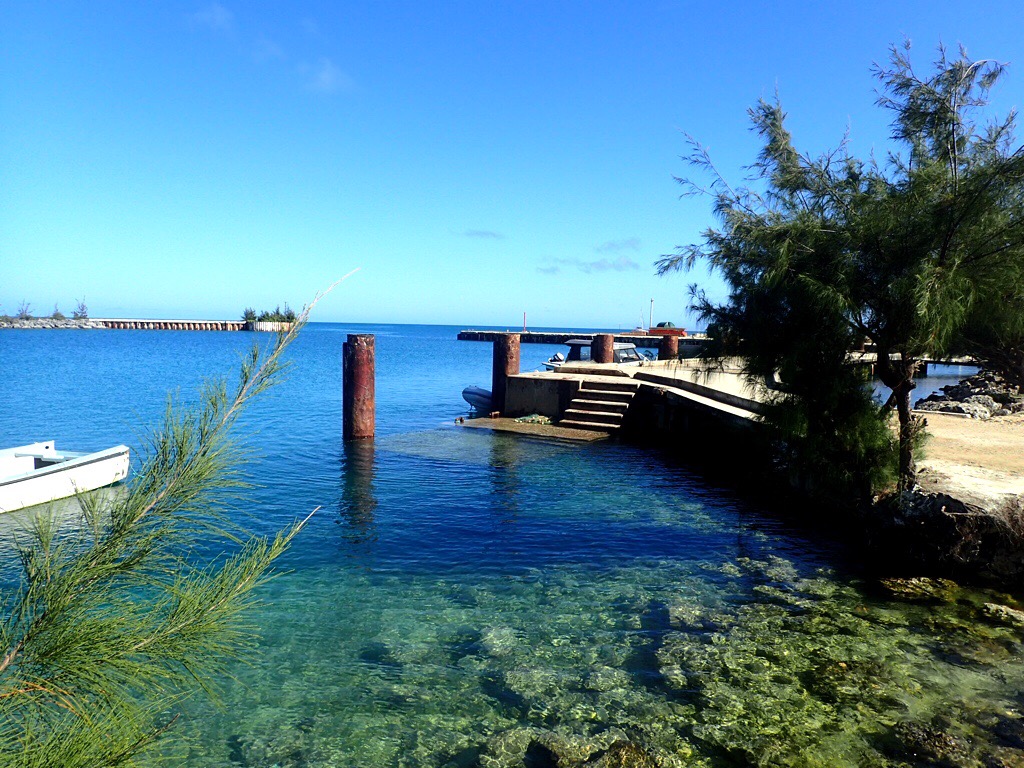
Another dodgy dingy dock, Pangai Ha’apai

At midday we finally lifted the anchor and motored five miles south to Uoleva island. The beach here is a mile and a half of golden sand, it is littered with amazing fallen trees that have been gradually buried in the sand, bleached and smoothed by the wind and sea. Tiny crabs run at lightening speed up and down in time with the waves. A palm filled jungle fills the interior.

Fantastic drift wood on beautiful Uoleva Beach

From the boat the island looks uninhabited but for, rather strangely, three volley ball nets spaced along the shore. On closer inspection amongst the trees, hidden from sight, there is a back packers resort one end of the island and a camp site the other. Right in the middle of the bay is the small Sea Change Resort and Uoleva Yacht Club, which comprised of a couple of cabins and the best beach bar we have yet found in the Pacific. The young English couple, that had just newly arrived as managers, gave us an extremely friendly welcome, it was beachcomber in style and the food was excellent. 
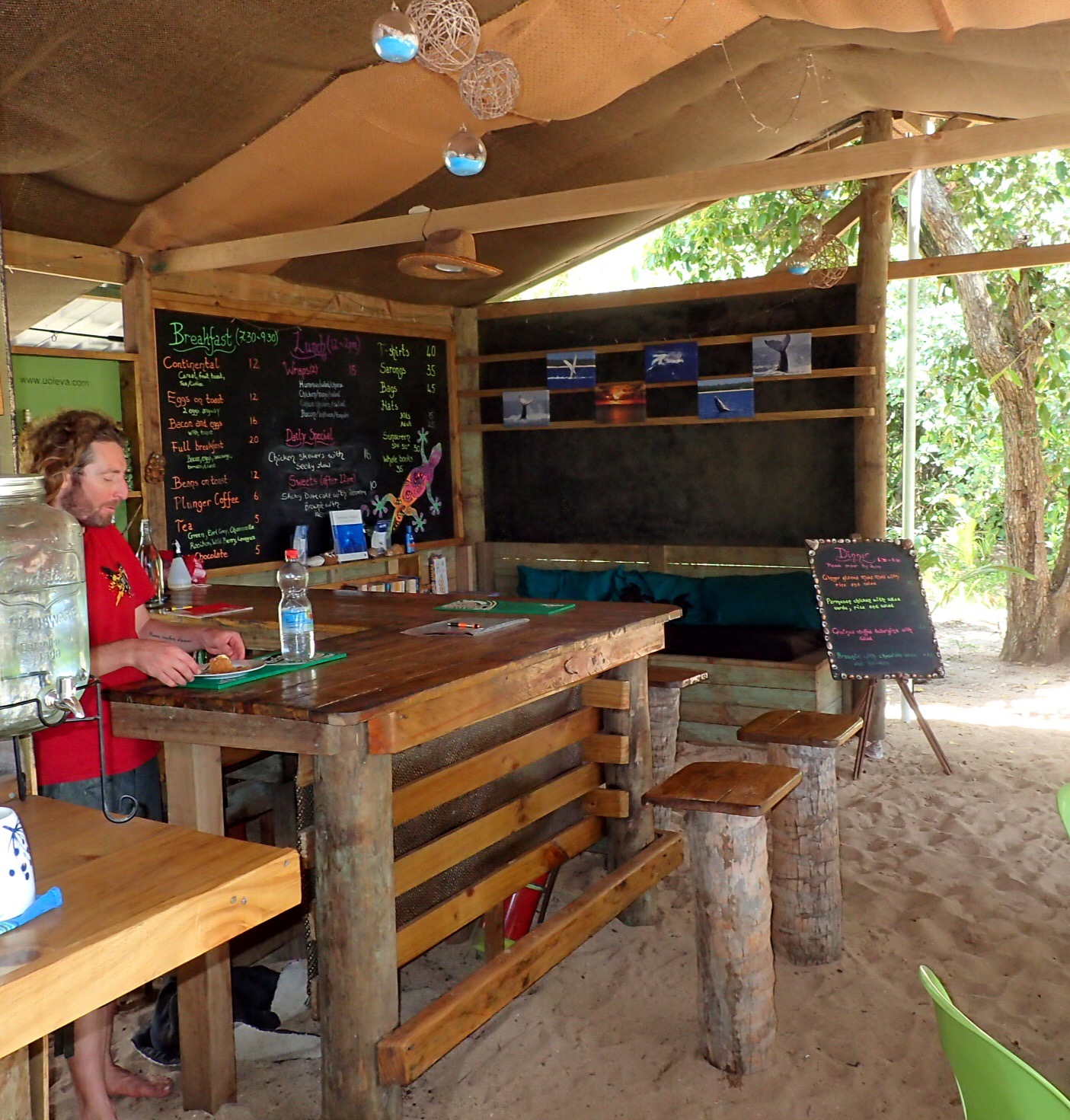
Sea Change resort/Uoleva Yacht Club

The only problem was yet again finding a safe spot for the dingy. The beach was steep and the swell was big enough to create breaking waves. At lunch time we anchored a way off and swam to the beach, but we didn’t want to eat dinner in wet swimmers so we risked anchoring closer in. This turned out to be a mistake, while we chatted at the bar with the resort guests, the dingy was pushed by the swell too near to the beach and the waves slowly filled it with water, Rick spent the rest of the evening bailing.

Back at the boat we had a large friend to entertain us, a 5ft long Great Barracuda had taken up residence under our dingy, we tempted him out with bacon and as he snapped it up his rather large teeth were revealed, all thoughts of a cooling swim were forgotten. 

Baz the Barracuda

With the wind turning to the west the anchorage off Uoleva became a bit of exposed, so we moved on towards the tiny island of Luangahui. The anchorage here is encircled by reef, using the information from a couple of Tongan cruising guides, our two sets of electronic charts and Google Earth, I carefully plotted a route in. When we got there however, we for some reason ignored all that, missed the channel in and found ourselves surrounded by bommies and with only a meter under our keel. Rick very carefully  menouvered us into deeper water and we decided perhaps this spot was not for us. But just as we turned away I spotted a dingy racing out towards us from the one boat that was already in the anchorage, Tony assured us the channel was fine and explained where the entrance was. We felt slightly vindicated when the next day the large motor boat, Iceberg, came round the corner and tried to do exactly the same thing as we did, it was now our turn to help them out.

We owe a big thank you to Tony and Angela on Tanavika, we were so glad we stayed, it really was an idyllic spot. Luangahui is only 200m across, we walked around it in just 20 minutes, the water was crystal clear and sparkled pale green in the sunlight. We were anchored in just 4.5m, a bit out of our comfort zone, but shallow water made for great swimming and snorkelling from the boat. As we have found everywhere in Tonga the coral is not in good shape, damaged either by the cyclone that swept through a few years ago or bleached by rising water temperatures. The underwater landscape however was fascinating  with large ravines and a miriad of different coral structures reminisant of an alien cityscape. The fish were small but plentiful. As Rick cooked us steaks on the BBQ, we watched whales fin slapping and breaching just outside the reef and in the evenings we were treated yet again by spectacular sunsets. A special couple of days.

Anchored off Langahu Island

Today we motored in very light winds to another island, Ha’afeva. With a calm sea it was easy to spot whale activity and there was literally whales everywhere we looked, we turned off the engine a couple of times to see if they would approach us but they all kept their distance. We have decide they are well named as humbacks, despite their gregarious behaviour, slapping and jumping, the only thing we seem to catch on camera are their humped backs.
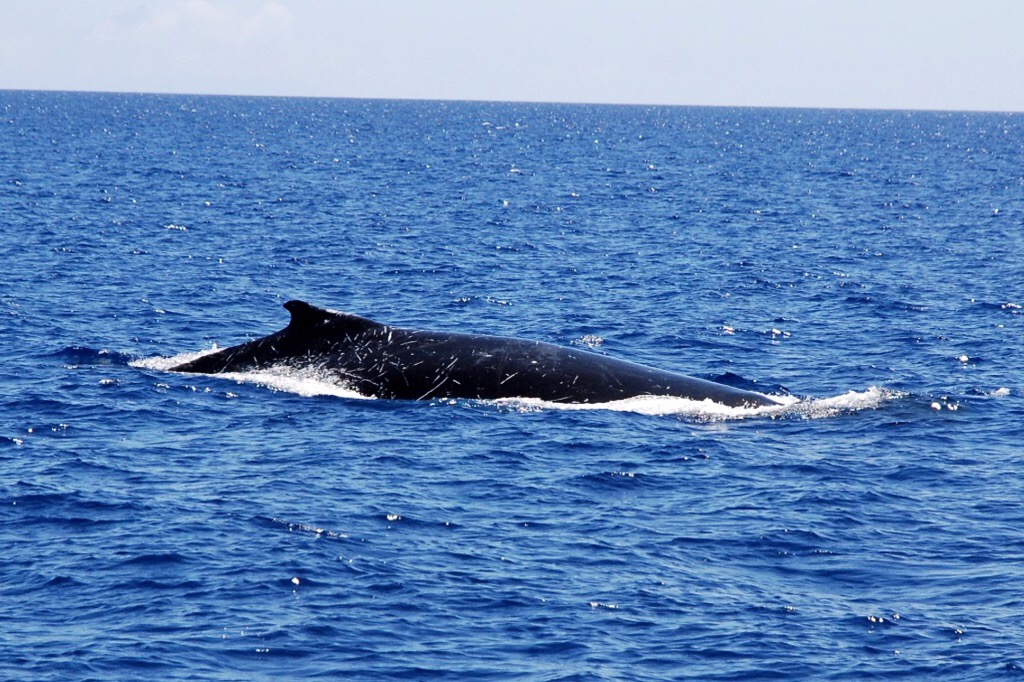
Whales for Breakfast

Monday 19th September 2016

The travails of yesterday’s trip were soon forgotten. As we entered the anchorage off Ha’ano Island at the most northerly tip of the Ha’apai group, it’s crescent shape protecting us from the turbulent ocean beyond, we sighed with relief. As a large red sun set dramatically highlighting the perfect volcano shaped island of Kao, thoughts of our rough sail began to fade. This morning when whales joined us for breakfast we would happily have sailed it all again. 

Whales swimming through the anchorage off Ha’ano just metres from the boat


Our departure from Vava’u started on Friday. We very slowly, using as little petrol as possible, went into Neiafu to check out at customs and do a final shop. At the dock things were getting heated, four yachts including our friends on Nina were trying to fill up with their ordered dutyfree diesel before departing to Fiji. Unfortunately diesel was now also getting low and the tankers of fuel were being restricted. So started the long process of carrying it all by jerry can, from the petrol station up the road back to the dock. Finally full, Nina joined us in Port Maurelle for a last night in Vava’u. Port Maurelle is the anchorage of choice for departing yachts as there is clear deep water leading safely out of the island group. Most boats, on the normal route across the Pacific to New Zealand, were going to Fiji, but we wanted to explore the more remote islands of Ha’apai, we will return to Fiji next year.

Goodbye drinks onboard Raya with the crews on Nina and Paw Paw


It was quite emotional watching the boats sail off Saturday morning especially Nina who we first met in Las Palmas at the beginning of the Atlantic crossing. It felt a bit like the last day of school with everyone having supported each other and experienced the Pacific together, now going there own way. Most of the friends we have met are now ahead of us, the majority of Australian boats, with further to go, left a few weeks ago, many more have departed to see a bit of Fiji before dropping down to New Zealand, hopefully we’ll bump into some of the boats again somewhere on our travels

We were expecting the sail 70 nm to Ha’apai to be challenging and we weren’t disappointed, after six weeks motoring around the protected waters of Vava’u and a year of down wind sailing, we would now be heading south and pretty much into the wind. We left at 4 am and before we had even cleared the islands things felt wrong, suddenly it dawned on me what was different, the sun was rising in the wrong place, the lightening of the horizon was happening off our beam, we have been sailing so long heading west it felt completely odd not to see it rise off our stern. 

As we entered open waters the forecasted winds of 17kt were actually in the low thirties, we were well reefed and sailing fast but the sea was lumpy with a 6ft swell and choppy wind waves. We were unused to the movement and the heel of the boat, we found moving about difficult and despite the seasick pills after an hour or so I became sick. Rick not wanting to risk the same, made trips below only to grab water and biscuits. If this is typical of our sail down to New Zealand we could be in for a tiring and hungry week. Luckily my second line of defence against nausea, pills I tuck under my top lip where the drug is absorbed through my gum, did the trick and suddenly I began to feel better. But we were very pleased after nearly ten hours to see the low, palm clad islands appearing in the distance. 

The shore line on the stretch of Ha’ano where we were anchored is dominated by a large top heavy rock commonly known as The Mushroom, behind it lie small beaches and craggy inlets. We sat eating our breakfast admiring the view, but the toast was forgotten when we spotted three whales, a 15m mum, a 10m male and a 3m calf, just 50m away. We jumped up to watch as they leisurely swam past and tucked themselves up behind the reef, stopped and seemingly went to sleep on the surface. A whale swim boat arrived and its lucky occupants had a marvellous snorkel with the whales hardly moving. About half an hour later they swam out from the reef and turned back towards us. We could hardly believe our eyes as they swam straight for us going under the boat and just a few inches from our stern. Up close they looked so big, their black shapes and white flippers clear as they passed beneath us, we were tempted to get in the water but with the whale watch boat so close we couldn’t really flaunt the law so obviously and we stayed on deck, cameras clicking, big smiles on our faces.

Mother and calf passing the stern


Once we had come back down to earth we prepared to lift the anchor and set off on the short trip down to Pangai the capital to find customs and check in. The route through the coral looked torturous but turned out to be straight forward and we had the anchor back down less than two hours later. The small town was sleepy and hot, the roads dusty, the buildings in patched up disrepair. There was a slow gentle feel to the place, everyone was friendly, the customs officers helpful and the local Mariners cafe, the only place to eat in town, had cold beer and good curry. What more could we want, oh yes, petrol, we found the fuel station and they had that as well. A fantastic day and worth every moment of yesterday’s discomfort.

Running on Vapours in Vava’u 

Wednesday 14th September 2016

I’m sitting on the boat waiting for Rick to return from town and contemplating our rowing skills. There is a severe petrol shortage in Vava’u and following the arrival of a ferry last night, rumour has it that they may have bought a few barrels in with them. Like the rest of the island our supplies for the dingy are very low. The whale watch operations have been forced to stop, the local fisherman are stuck on land and only diesel engine cars are on the roads. Despite the whole place gradually grinding to a halt, the government in Nuku’alofa, the capital 160nm to the south, seems reluctant to do anything with any urgency. As far as we can tell the normal boat that delivers fuel broke down a few months ago, it was finally replaced with another boat but this was too big to enter the pass, passenger ferries for safety reasons cannot officially carry petrol. Rick returned empty handed, if any did come in during the night, it was squirrelled away in the small hours by locals in the know. He said the petrol station reminded him of our last few weeks in Iran, many moons ago just before the revolution, hundreds of frustrated people milling around cans in hand, trying to pick up even a few litres of fuel.

No luck at the petrol station

Our dilemma revolves around our departure to the Ha’apai group of islands, we have already missed one weather window waiting for petrol, the radio chatter this morning is of a delivery coming in Monday but who knows. We have plenty of deisel for the yacht but the longer we stay in Neiafu the more petrol we use getting in and out of the harbour in the dingy. The Ha’apai are a string of remote coral atolls and small volcanic islands. Most are uninhabited and the capital Pangai is tiny, will it have petrol?

Neiafu is a strange place, the water front and all the marine businesses are completely dominated by expatriates, the grocery stores are owned almost exclusively by the Chineese community. The Tongans appear to have surrendered large portions of thier town to outsiders. Yachties and tourists are cocooned in this world of foreigners that run everything we need from the VHF channel 26 net, to the laundry, to 100% of the restaurants but not the petrol stations.

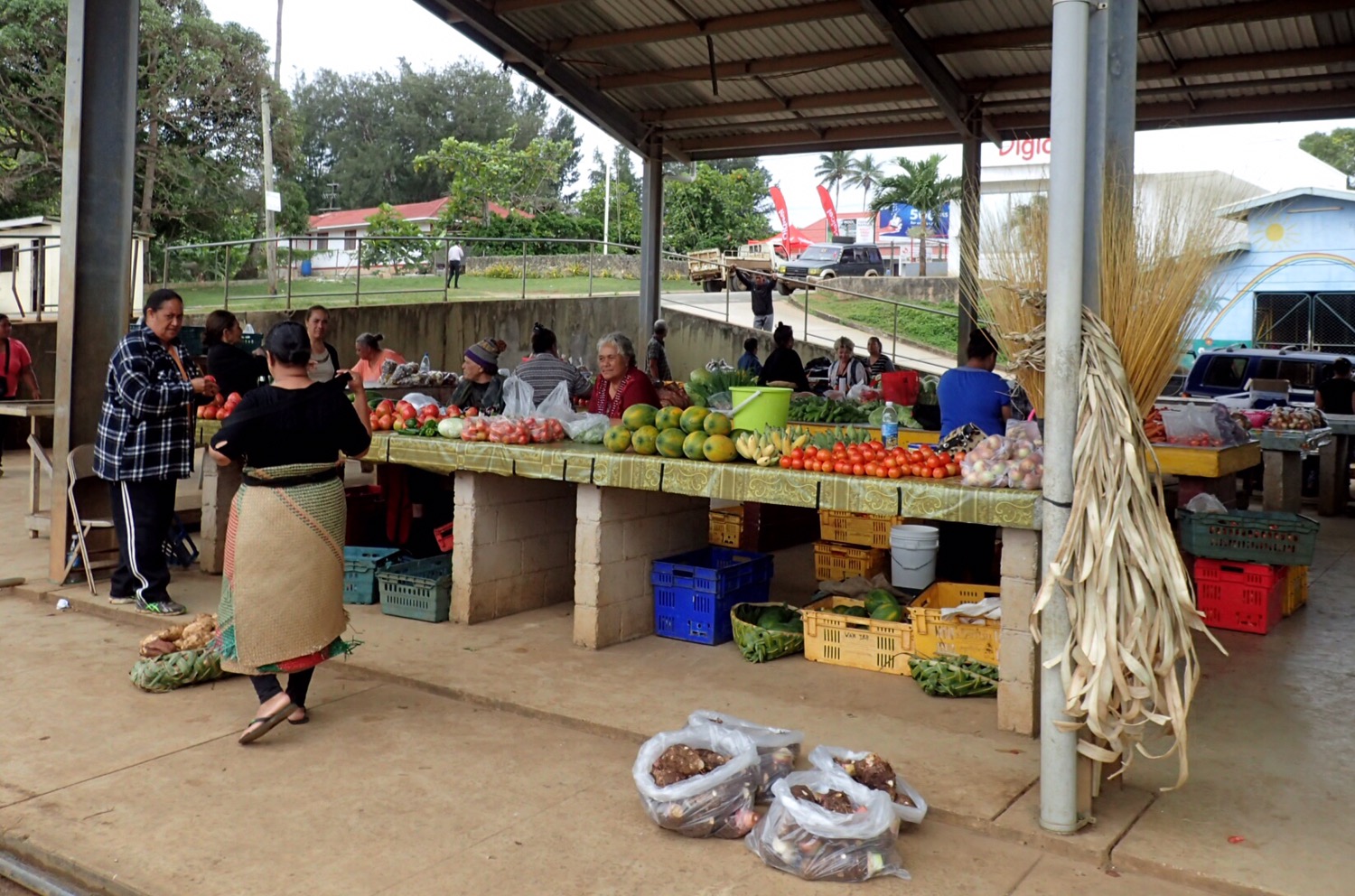
The fruit and veg market is however a local enterprise and full to bursting with the familiar – tomatoes, peppers, carrots and cabbages, papaya, melons and bananas and the less familiar – Tarrow roots and leaves, yams and strange unnamed fruits. Today they even had broccoli. It is a good job the market is full because with the lack of ferries means not only is petrol in short supply, the shelves of the stores are almost completely empty also.

Neiafu Market


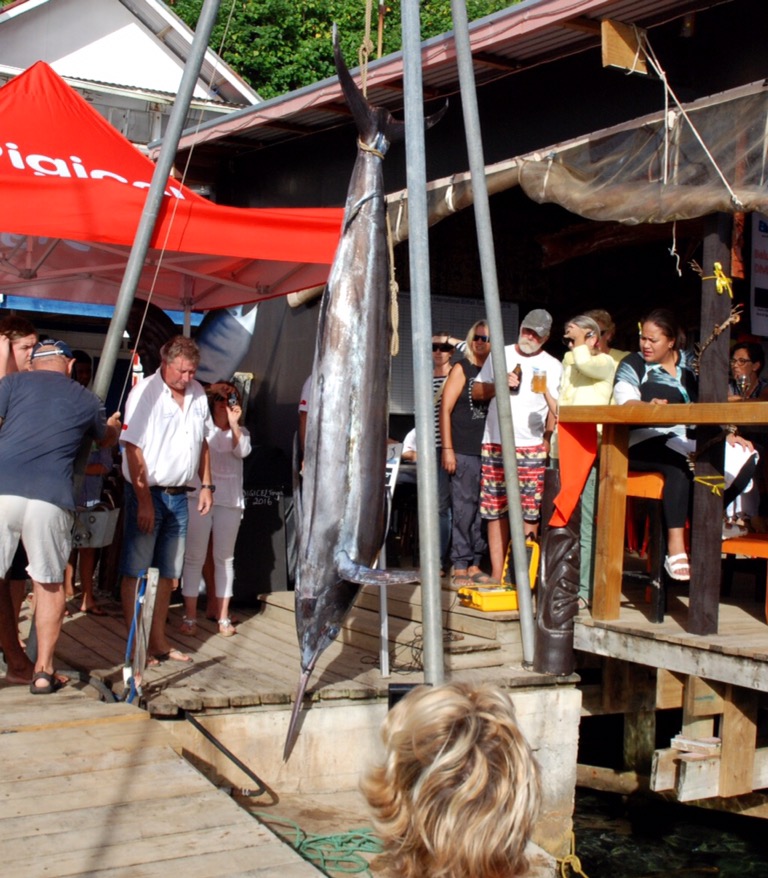
One group of people that did have fuel are the sports fisherman that gathered in Neiafu for the 25th International Bill Fish Tounament at the weekend. The action was played out on the radio, with the boats reporting in each fish they hooked up and then landed throughout the day. At five each afternoon they arrived back in town to have thier catch weighed. Yellow Fin Tuna and Maui Maui suddenly appeared on the menu of all the restaurants. Bill fish apparently are not that great to eat so the points favour a tag and release system but on the last day a particularly large Blue Marlin was caught and bought into be weighed. It was hooked up by one of the smaller boats and at about ten foot long and 200 kilos it completely filled the deck, it is difficult to imagine how they landed it.

Huge Blue Marlin wieghing in at nearly 200 kg

 
This afternoons weather forecast is looking good for a departure on Sunday/Monday. As we are sailing south we need the wind to be as far around to the east as possible and by Sunday the prevailing SE winds are backing slightly so we have decided to go and just keep our fingers crossed that Ha’apai will have some petrol. Otherwise it will be out with the oars!

Turquoise Tonga

Thursday 9th September 2016

As we started to plan our passage down to New Zealand a few weeks ago, the weather here, as if to prepare us for more southerly latitudes, became quite cold. Well, not cold, but cool enough to discourage us from a casual swim, to put on wetsuits for snorkelling and long sleeve tops in the evening.

But it has meant that the rain that has plagued us for the past month has cleared, so for the last week we have been cruising around the outer islands of Vava’u enjoying quiet bays and stunning white beaches. 

Anchored off Ovalua island

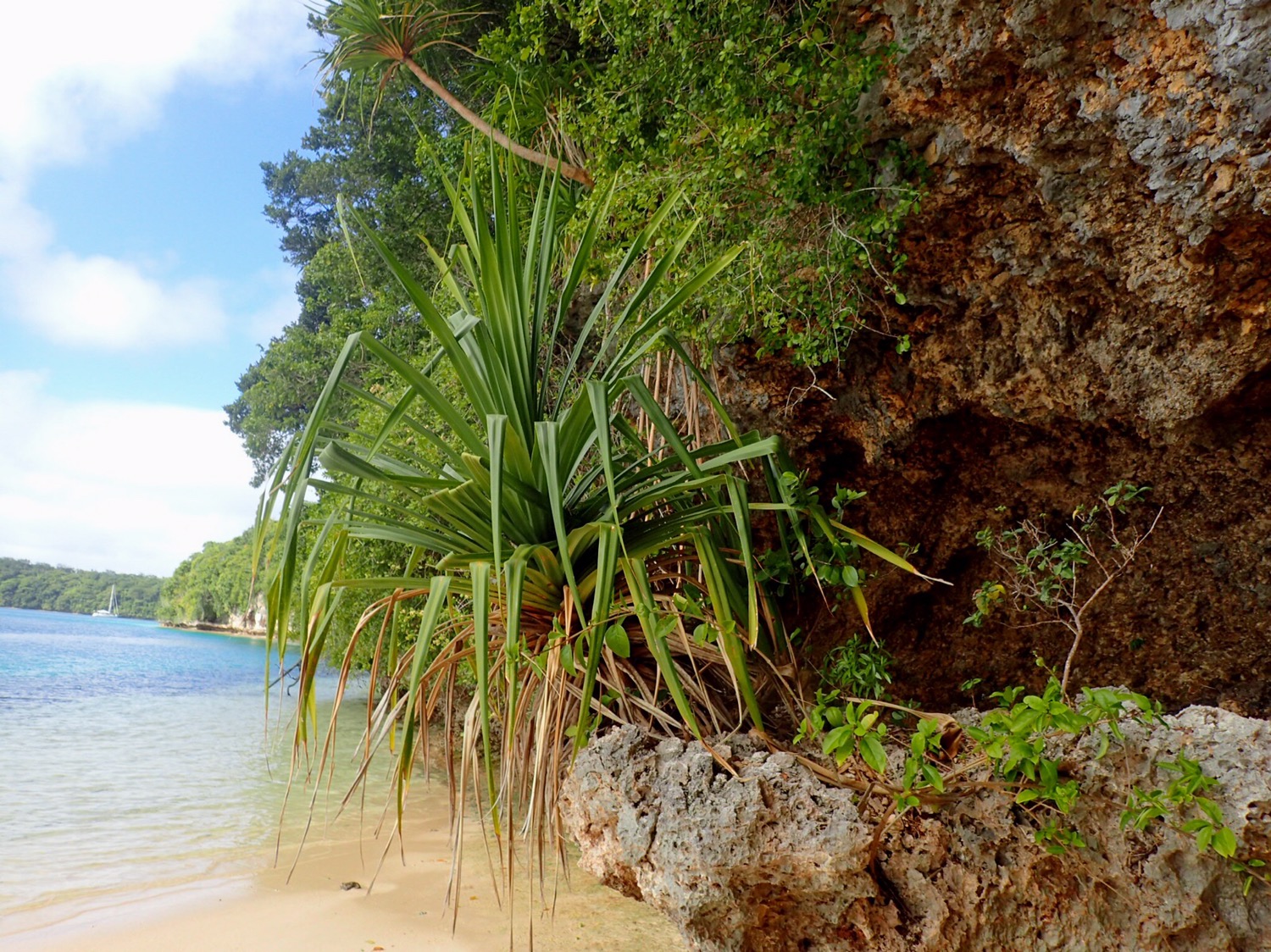
We have had a great time taking the dingy slowly along the shoreline investigating the caves, shallows and forests. On Pangaimotu we spotted a bright blue Tongan Kingfisher perched above our heads, had a herd of cows wander along the beach and marvelled at how the shrubs and trees appeared to grow straight out of the rock.

Shoreline near Aisea Beach, Pangaimotu

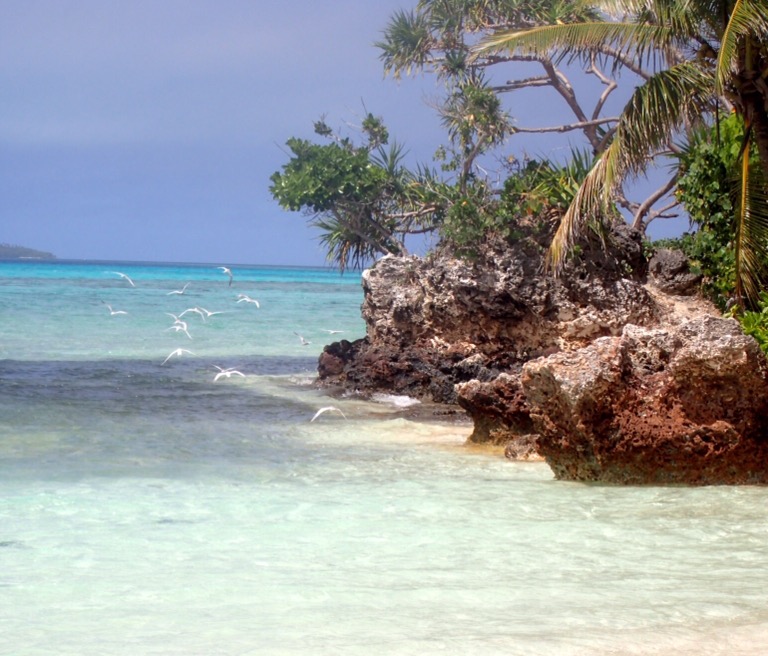
On Nuku Island were flocks of seabirds, we approached slowly until they took to the air, leaving the beach empty for us to walk barefoot on soft pristine coral sand. 

Crested terns on the beach at Nuku Island, the shadow in the sea is a bait ball of millions of tiny fish

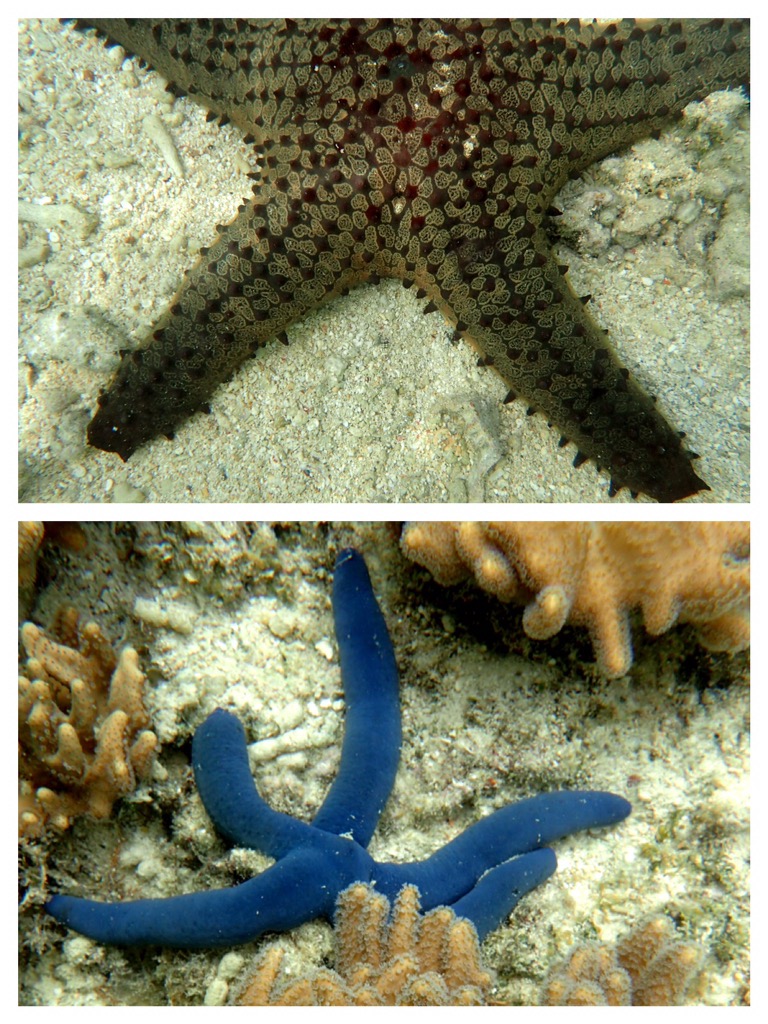
We have snorkelled the local reefs, the coral and fish life here is not as spectacular as French Polynesia but enjoyable nevertheless. We have had fun spotting some unusual and in some cases less savoury creatures. We have seen starfish in many shapes and sizes, from the long legged blue ones famous in Tonga, to a plump pink variety, to large richly patterned brown and black species.

Tongan starfish

The sea floor is littered with the rather unappealing sea cucumbers, including many giants that reach two to three foot long. In the crevasses of the coral heads are brightly coloured clams, spiked sea urchins and beautiful feathered stars

And then back at the boat we have been scrubbing our very disgusting keel that has grown its very own ecosystem. Jelly like fingers hung off the waterline which was coated with a thick green slimy weed, barnacles had sprouted soft branched structures and a multicoloured fuzz had coated everything. 

Mostly however, we have just been enjoying the incredible turquoise views from the cockpit.

La Paella, Tapana Island

Friday 2nd September 2016

We never quite know what we are going to find when we arrive at a new anchorage but our evening at La Paella Restaurant, perched above the beach on Tapana Island, was certainly unexpected. We had heard rumours that it was a great place to visit but looking up from the boat it appeared rather like a dilapidated, deserted shack. We have learnt that in Tonga appearances can be deceptive, so we hailed them on the radio, yes we were told, they could take us for dinner that night. We tied the dingy up at the beach, followed the path up through a garden, with lovely views of the yachts bathing in the pink of another glorious sunset. A pig, a goat and half a dozen chickens ran out to greet us, so far, so Tongan. The moment we entered the restaurant however, we were in a different world, an eccentric, atmospheric, ramshackle world. The smell of wood smoke filled our noses, the bare bones of its timber frame on display, our old house at Ongley flashed through our minds. The furniture was all home made, wonkey and at different heights. An eclectic mix of objects filled every nook and cranny, Basque fabrics decorated the tables and walls, nautical flags hung from the ceiling and Brazillian Samba played in the background. We loved it.

A Spanish couple have been running the restaurant ever since they moved to Tonga 26 years ago. Maria is a fantastic cook and served us six different Tapas, including a delicious Lobster salad, then bought us a large dish of Paella that been cooked over the open fire. As we were served a dessert of Raspberry sorbet two curtains were whipped back from a small stage in the corner of the room and the husband picked up his guitar and started to sing and play an enthusiastic rendition of old Santana numbers. He was really rather good but the scene was so surreal we started to giggle, just as we managed to regain a straight face, Maria stepped out on to the stage and joined in with the maracas. We could hardly contain ourselves, luckily I had a pole to hide behind but Rick had to muffle his smiles in his napkin. We have since learnt they used to have a pet goat who would also join in, I think we would have died. What a fantastic night.